eSIM for ArgentinaSkip expensive roaming and bureaucratic local SIMs
What is the best eSIM for Argentina?
The best eSIM for Argentina depends on how much data you need, but for a typical trip eSIM Ahora offers plans from $2.45, activated by QR code in about 30 seconds with no roaming from your home carrier. A 3 GB, 30-day plan costs $13.11. You connect on local networks (Personal and Movistar) at 4G LTE speed, with top-ups available and nationwide coverage. Compatible with iPhone XS or newer, Samsung Galaxy S21+ and Google Pixel 3+.
Daily unlimited
Full-speed data every day; after the daily cap the speed is reduced.
Full speed up to 500 MB/day, then 512 Kbps.
By data amount
7 Day Plans
15 Day Plans
30 Day Plans
Every eSIM can be installed within 180 days of purchase. Plan validity starts when you first connect.
Works with local carriers in Argentina
Your eSIM picks between these networks on its own. If you see bars and nothing loads, you can pick one by hand.
eSIM for Argentina
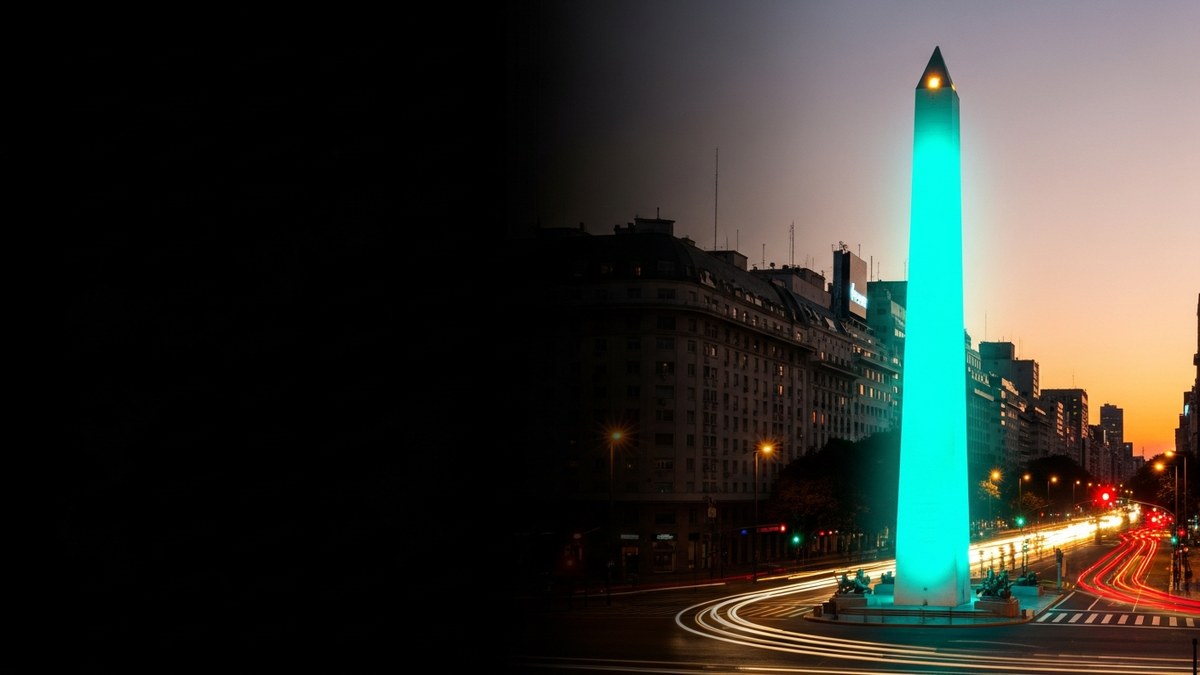
Get instant mobile data in Argentina with eSIM Ahora.
Coverage available in major cities and tourist areas.
Travel tip
Activate your eSIM when you arrive. Data starts working automatically.
Pay securely. QR code delivered in 30 seconds. No registration, no physical SIM card needed. 12 plans available from $2.45.
Mobile networks in Argentina
Your Argentina eSIM runs on Personal and Movistar, and your phone picks whichever has the better signal. Other local networks won't carry your data: if you see signal bars and nothing loads, turn off automatic network selection (iPhone: Settings → Cellular → your eSIM → Network Selection; Android: Settings → Network & internet → SIMs → your eSIM) and pick Personal or Movistar by hand.
Personal is usually stronger on Patagonian routes and rural areas; Movistar in Buenos Aires and along the Atlantic coast. Claro, the country's third network, is not part of our wholesale agreement. Power outlets are Type C (European) or Type I (Australian) — Argentina has both in use, bring a universal adapter if you come from outside continental Europe.
Travel tips for Argentina
Buenos Aires (EZE) and Mendoza (MDZ) airports have free WiFi but it's usually congested; activate your eSIM before landing. The currency is the Argentine peso (ARS) in a context of high inflation — ATMs have low daily limits and high commissions for foreign cards (up to $10 USD per withdrawal). Bring physical dollars to exchange at "cuevas" (informal exchange houses with the "blue" rate) in Buenos Aires — savings can be 30-40% vs the official rate. In Patagonia (El Calafate, Ushuaia, Bariloche), 4G coverage is good in towns but there are no-signal zones on remote routes (southern Route 40, glaciers) — download offline maps. Beware of non-app taxis in central Buenos Aires; use Cabify or Uber.
Frequently asked questions about Argentina eSIM
Does it work in El Calafate, Ushuaia, and Patagonia?
Can I use Mercado Pago, Cabify, Rappi with the eSIM?
What about the "blue dollar" and currency exchange?
Argentina eSIM travel guide
When to travel
Argentina is huge, with opposite climates by region. Buenos Aires is pleasant October-December and March-May (austral spring/autumn). Patagonia (El Calafate, Ushuaia, Bariloche) is accessible November-March (austral summer); outside that window, many hotels close and trekking gets harder. Iguazu Falls: visitable year-round, but flow peaks November to March. Mendoza (wine): harvest in March, spectacular autumn in April-May.
Mobile coverage in Argentina
Our eSIM uses Movistar and Personal (Claro, the country's third network, is not part of the wholesale agreement: if you have signal and nothing loads, pick Movistar or Personal by hand in network selection). All three cover major cities with 4G. 5G is starting in Buenos Aires. Patagonia has coverage in El Calafate, Ushuaia, and central Bariloche, but national parks (Los Glaciares, Tierra del Fuego) have long gaps. Ruta 40 (the spine of western Argentina) crosses zones with intermittent signal. Iguazu: coverage on the Argentine side follows the hotel and visitor center; trail routes can drop.
What to know on arrival
Argentina uses Type C/I plugs (220V, 50Hz). Inflation is high — prices change fast, prefer card payments and check the "blue" (unofficial, better) exchange rate if you bring USD cash. Tips are 10%. Dinner runs late (9-11 PM). Asado (barbecue) is a social ritual — if invited, arrive 30 minutes late, it's not considered rude. Watch out for unofficial airport taxis: use Uber or hotel taxis.
eSIM vs local SIM in Argentina
Argentine physical SIMs get complicated for tourists — prepaid plans require an Argentine DNI for full activation. An eSIM bypasses that bureaucratic wall. For 10 days between Buenos Aires and Patagonia or the Falls, 10-15 GB suffices. If you plan serious trekking, download offline maps in advance — signal in El Chaltén or rural Ushuaia drops fast.